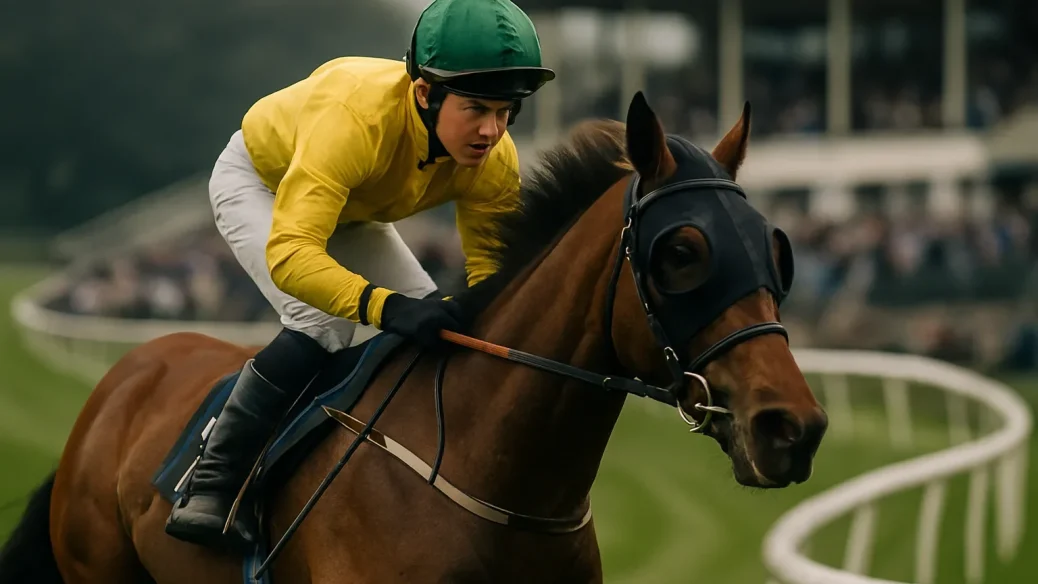
Young rider’s measured approach stands out at Sligo
Julian Pietropaolo’s performance in a six-furlong contest at Sligo last week has drawn attention from within the Irish racing community for its composure and racecraft. Observers noted the right-handed, sharp nature of the course and the importance of a low draw at the track, and Pietropaolo made full use of a favourable stall to produce what has been described as a notably mature ride.
Track characteristics and tactical implications
Sligo is recognised as a tight, right-handed circuit where track position from the stalls can be decisive. The configuration often favours those drawn low, with the earliest runners able to secure the inside and shape the race on terms that suit a nimble sprinter. Even on the national hunt side the course rides compact; on the Flat it can feel especially acute for riders who do not get away promptly.
Against that backdrop, Pietropaolo’s approach illustrated a clear understanding of how to exploit a plum draw. Rather than forcing the issue with early aggression, he worked to extract speed from the stalls while maintaining control — an element of race-riding that commentators say can be difficult for less experienced jockeys to reconcile.
Balance between speed and control
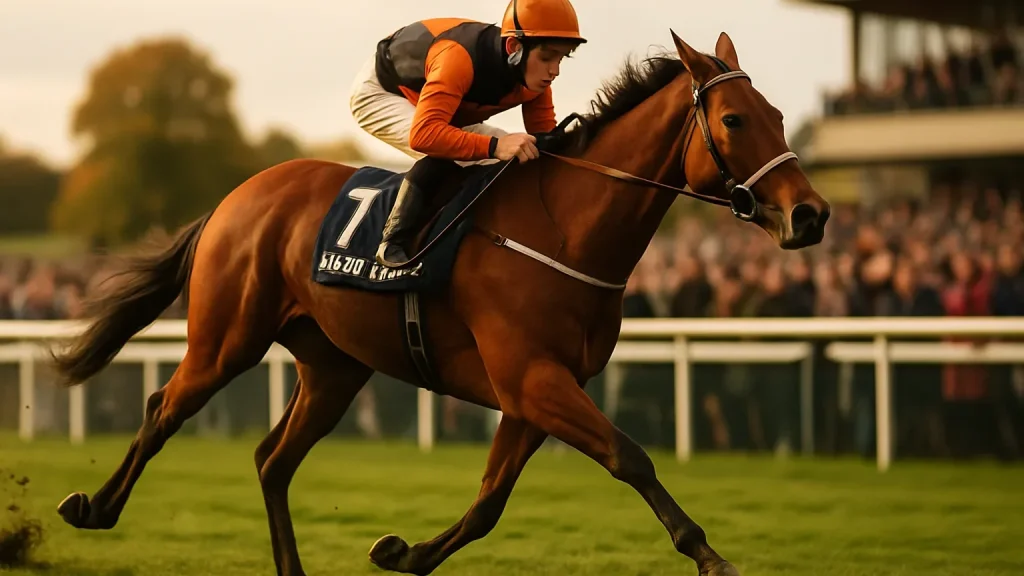
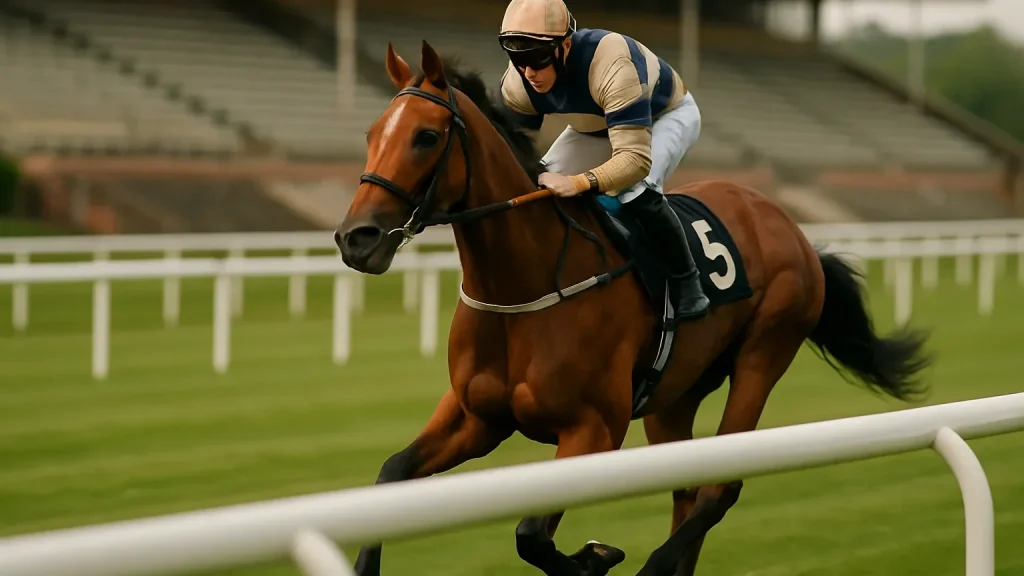
Key to the ride was Pietropaolo’s ability to let his mount travel without allowing the horse to over-race. That balance — asking enough early to take advantage of the draw but not so much that the horse runs off with the jockey — requires strength, core stability and a confident, quiet hands-and-balance technique.
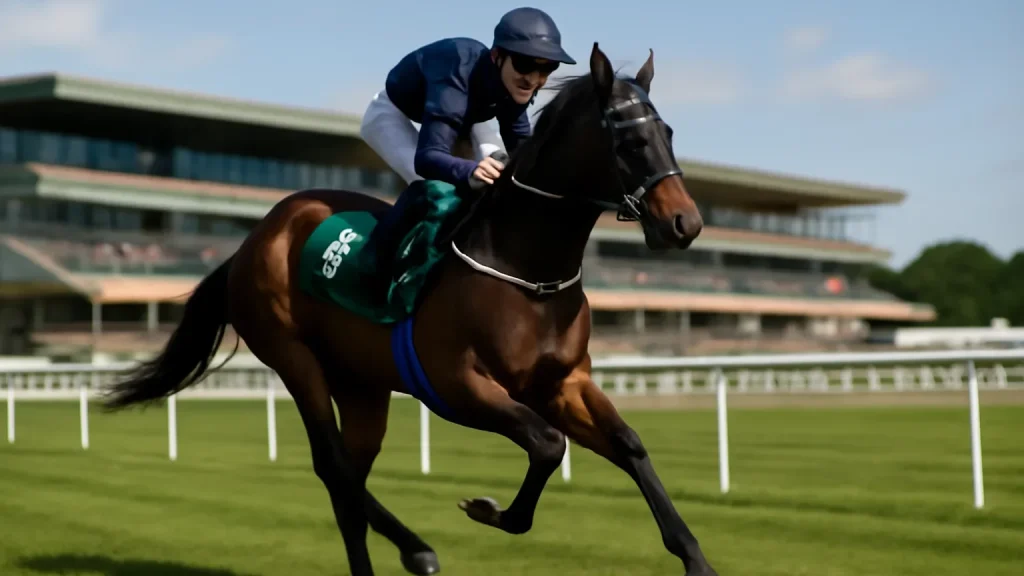
Observers highlighted that the horse was wearing blinkers and is trained by Kevin Coleman. Pietropaolo’s hands remained low on the neck, helping the horse settle into a rhythm, and he resisted reaching for the whip early. Instead he used riding pressure to keep the horse moving forward and retained enough control to maintain that momentum into the finishing stages.
Why the ride matters
- It demonstrates growing tactical nous: making the most of stall position and track configuration is a core skill for jockeys riding at sharp, turning courses.
- It shows physical development: the ability to balance, control and conserve a sprinter’s energy is often a differentiator for riders progressing through the ranks.
- It points to professional composure: delaying the use of the whip and keeping the horse breathing and balanced reflects an understanding of rhythm and timing that is prized by trainers and racegoers alike.
Such performances can be significant for a rider’s reputation, particularly when they occur at courses where positional advantage is so influential. For racegoers and festival followers, it is these little technical margins that often decide sprint contests at meetings across Ireland and the UK.
Looking ahead
While a single ride does not define a career, the qualities displayed at Sligo suggest a trajectory of improvement for Pietropaolo. As racing moves through the summer into the festival season, riders who can combine quick gate speed with measured control at turning tracks will continue to be in demand.
For trainers and connections, such examples of steady, technical riding are encouraging, particularly when paired with tactical nous to exploit course peculiarities such as those at Sligo. For those following jockeys rising through the Irish ranks, Pietropaolo’s ride provided a clear illustration of the skills that underpin successful sprint tactics on tight circuits.