Lake Forest under consideration for Haydock Sprint Cup as autumn plans take shape
William Haggas’s versatile gelding Lake Forest could return to action at Haydock for the Betfair Sprint Cup if the ground proves suitable, his connections have confirmed. The decision follows a good recent effort over seven furlongs at York and takes into account the shifting conditions that often characterise late summer and early autumn turf racing in Britain.
Form and recent runs
Lake Forest was a close second in the City of York Stakes at York, finishing behind Notable Speech over what is regarded as his optimum trip of seven furlongs. Earlier in the season he shaped well in the Queen Elizabeth II Jubilee Stakes at Royal Ascot, finishing fifth in a tightly contested renewal, and has previously won at Group level over shorter distances, including the Lennox Stakes.
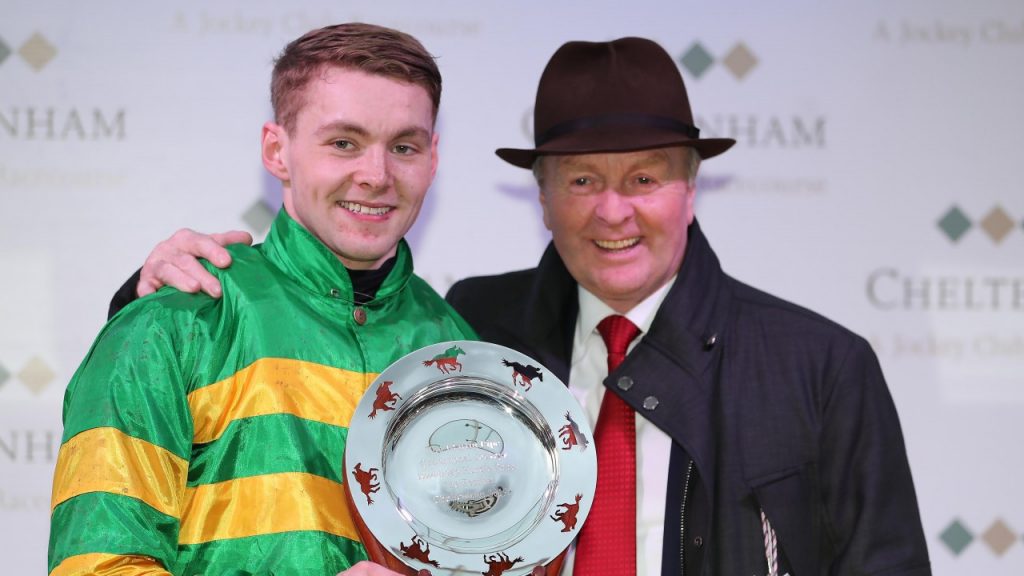
Now campaigned in high-profile targets by owner Tony Bloom — represented at racecourse level by racing manager Sean Graham — Lake Forest has shown an ability to perform across a range of trips and competitive patterns, which keeps several options open for the remainder of the campaign.
Ground will dictate next move
Connections have made clear that underfoot conditions will be a major factor in any choice. Lake Forest is considered comfortable on good to soft turf and may handle soft ground, but the team have reservations about his effectiveness if the going becomes heavy. That concern is central to whether he runs at Haydock in the six-furlong Group One Sprint Cup, a race that represents an attractive short-term target.
The plan for Haydock would see Lake Forest drop back in trip from his most recent seven-furlong engagement, revisiting the sprint division where he has previously run with the best. The sprint trip also accords with his earlier form at Ascot and other top-class stages.
Alternative autumn targets
Should Haydock prove unsuitable because of rain and deteriorating ground, Lake Forest’s campaign includes further possibilities. One option is the Prix de la Foreat at Longchamp on Arc weekend, offering a prestigious end-of-season test at a mile. In addition, a trip to the United States for the Breeders’ Cup Mile at Keeneland is being considered later in the autumn, where a smaller maximum field and a two-turn configuration could suit the gelding’s racing style.
Connections note that while a transatlantic assignment has attractions, there are practical questions to answer, not least the typically fast starts in American big-field sprints and how that might affect his position out of the stalls. The team intend to assess each opportunity carefully and progress race by race.
Gelding status and temperament
Lake Forest has been gelded during his career, a move that connections say has made him more straightforward to train and campaign. That robustness has helped him sustain a season at the top level and to be considered for a variety of international targets. To date his performances have contributed significant prize-money for his owners, and the team remain confident he can appear in and win another major race given the right conditions.
Where the Ascot connection fits
Lake Forest’s run at Royal Ascot remains a reference point for his ability to handle quick, high-quality fields and to adapt to different race scenarios. The experience on the Ascot course highlighted tactical learnings for his handlers about where to position him relative to fast early fractions; the team have reflected on that performance as they map out his forthcoming engagements.
For now, the immediate focus is on the forecast for Haydock and whether the ground will be conducive to dropping back to six furlongs in a Group One sprint. If not, the autumn programme retains several high-class alternatives, keeping the gelding firmly in the picture for major end-of-season prizes.